
Titanium and Inconel are two of the most widely used exotic metals in high-performance sectors like semiconductor, aerospace, and medical device -- and for good reason. They're strong, corrosion resistant, and able to withstand extreme application environments.
But these benefits come at a cost: machining them is tough.
The decisions you make about geometry, tolerances, and material grades determine how manufacturable a component is and how complicated a machining process is required. Learn how tooling interacts with these exotic metals and what you can do to design parts that are easier to manufacture.
Why Titanium and Inconel are Difficult to Machine
Before we talk tooling, it’s important to understand why these materials are so challenging.
Titanium and Inconel aren’t just strong—they behave differently under cutting conditions compared to aluminum, mild steel, and other commonly machined metals. Their thermal properties, hardness, and tendency to work-harden create unique problems for machinists.


Tool Selection Strategy
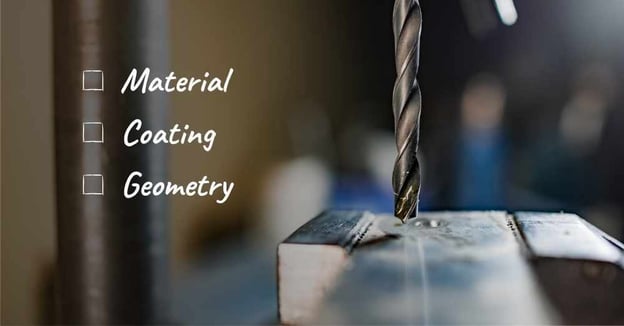
The right combination of tool material, geometry, and coating can make the difference between a smooth machining process and a costly disaster. This section breaks down what engineers need to know about each factor and why it matters for part design.
Related Read: CNC Drilling - Material, Geometry, and Coatings
Tool Material and Coating
Carbide cutting tools (especially those with TiAlN or AlTiN coatings) are the ideal choice for components made with Inconel or titanium.
Inconel generates significant heat during machining because of its poor thermal conductivity and high hardness at elevated temperatures. This means the cutting tool must withstand extreme heat and resist rapid wear. Those carbide tools with TiAlN or AlTiN coatings improve performance, provide excellent heat resistance, reduce friction, and minimize edge build-up.

Titanium’s low thermal conductivity causes heat to concentrate at the cutting edge, and they exhibit strong chemical reactivity with tool materials. TiAlN and AlTiN-coated carbide tools reduce chemical affinity and improve heat resistance. Titanium also tends to gall and weld to the tool, so coatings help prevent adhesion and prolong tool life.
Tool Geometry
When machining Inconel, tool geometry plays a critical role in managing heat and reducing work hardening. A positive rake angle is highly effective because it lowers cutting forces and improves chip flow, which helps minimize heat buildup. The cutting edge should be sharp to avoid rubbing, as dull tools accelerate work hardening and shorten tool life. A smaller nose radius is preferred because it reduces radial forces and vibration, which are common issues when working with superalloys.
Chip control is another challenge with Inconel, as it tends to produce tough, stringy chips. Incorporating chip breaker features into the tool design helps prevent chip packing and allows coolant to reach the cutting zone more effectively.

Titanium requires a slightly different approach. Its low thermal conductivity and tendency to spring back after cutting make clearance and rake angles especially important. A high positive rake angle reduces cutting pressure and heat generation, while a generous clearance angle prevents rubbing against the workpiece. Like Inconel, titanium responds best to sharp cutting edges with minimal honing, as excessive edge preparation increases friction and heat.
Titanium chips can be long and difficult to manage, so optimized chip breaker geometry is recommended to maintain process stability and protect the tool.
In both cases, maintaining short tool overhang helps reduce vibration, and high-pressure coolant is essential for heat control and chip evacuation. Avoiding excessive edge preparation and focusing on sharp, well-designed geometries will significantly improve tool life and surface finish when machining these challenging materials.
Design and Machining Tips for Inconel and Titanium Parts
Tooling challenges often start with design decisions. Engineers who understand how geometry affects tool access and stability can dramatically reduce machining complexity. Here are some practical design strategies that can make Inconel and titanium components more manufacturable and affordable.

Avoid Thin Walls and Deep CavitiesThin walls force machinists to use long-reach tools, which are prone to deflection and chatter. If you’re designing a titanium bracket for an aircraft, consider adding ribs or increasing wall thickness slightly to improve rigidity and reduce machining complexity.

Add Generous Corner Radii
Sharp internal corners require small-diameter tools, which wear out quickly and increase machining time. Adding a 0.125-inch radius instead of a sharp corner can allow the use of a stronger, larger-diameter end mill.

Plan for Coolant Access
Coolant is critical for heat control and chip evacuation. If your design blocks coolant flow to deep pockets, tool life will suffer. Consider adding relief features or designing open geometries where possible.
Related Read: When (and When Not) to use a Coolant-Through Drill
Even with the right tools and smart design, titanium and Inconel require specialized machining strategies. These techniques help control heat, reduce tool wear, and maintain dimensional accuracy.
Low Surface Speed, High Feed
For titanium, keep surface speeds low (around 200–300 SFM) and feed rates high to minimize heat buildup. Inconel requires even lower speeds, often below 100 SFM, to prevent work-hardening.
Climb Milling
Climb milling reduces tool rubbing and improves chip evacuation. This is especially important for titanium, where rubbing can cause galling and poor surface finish.
High-Pressure Coolant
Inconel generates extreme heat, so high-pressure coolant systems (1,000 psi or more) are essential. They flush chips away and prevent work-hardening. Without this, cutting forces can double after just a few passes.
Before wrapping up, let’s address the pitfalls. Over-specifying tolerances is a big one. A ±0.0005-inch tolerance on a non-critical feature can triple machining time and destroy tool life.
Another oversight is ignoring tool holder clearance when designing complex geometries.
Sharp internal corners are another culprit—they force machinists to use fragile micro-tools that wear out fast.
Tool selection and design decisions go hand-in-hand. By understanding how titanium and Inconel interact with cutting tools, you can design parts that are easier to machine, reduce costs, and maintain quality.
 Tre Tiff
 Chris Castaneda