
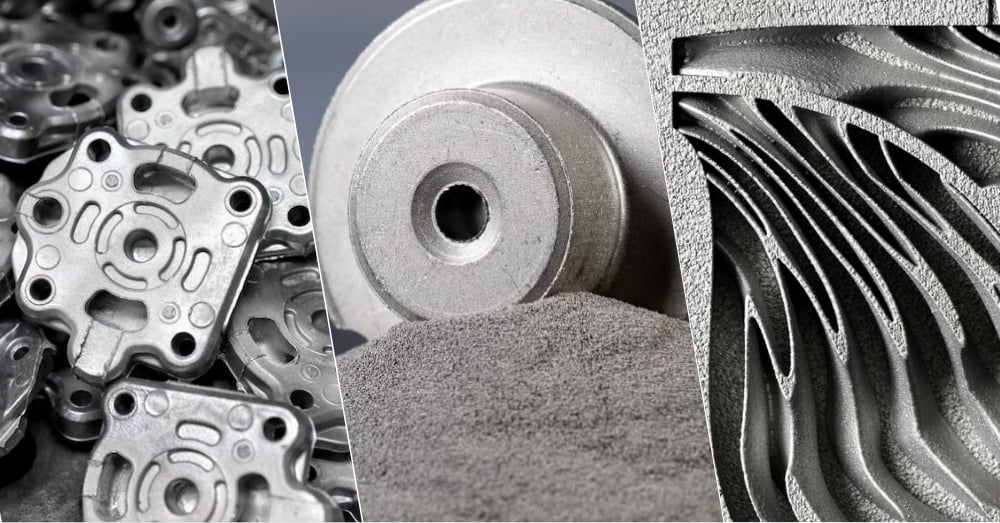
One of the most common misconceptions in manufacturing is that material properties are solely determined by alloy...
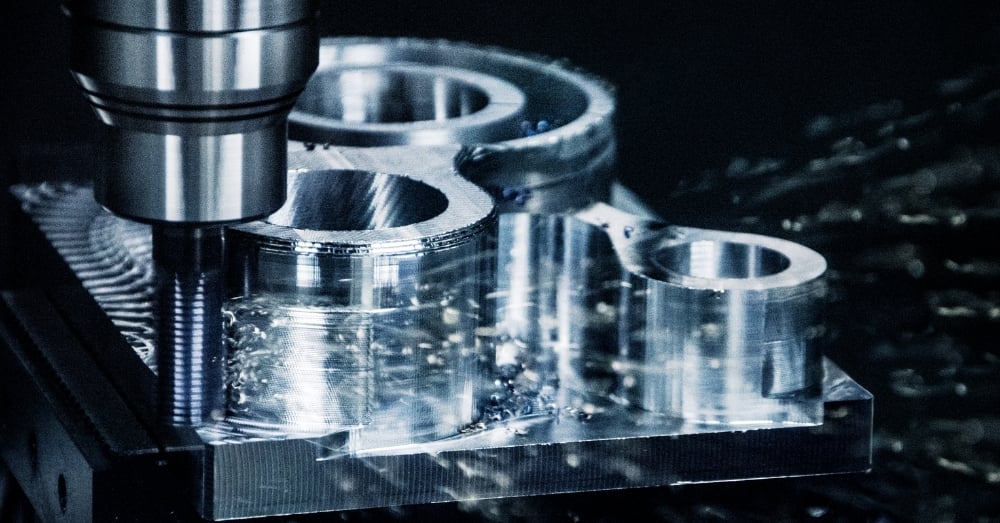
CNC milling cutting parameters—speeds, feeds, and tool engagement—directly control heat, tool wear, and dimensional...
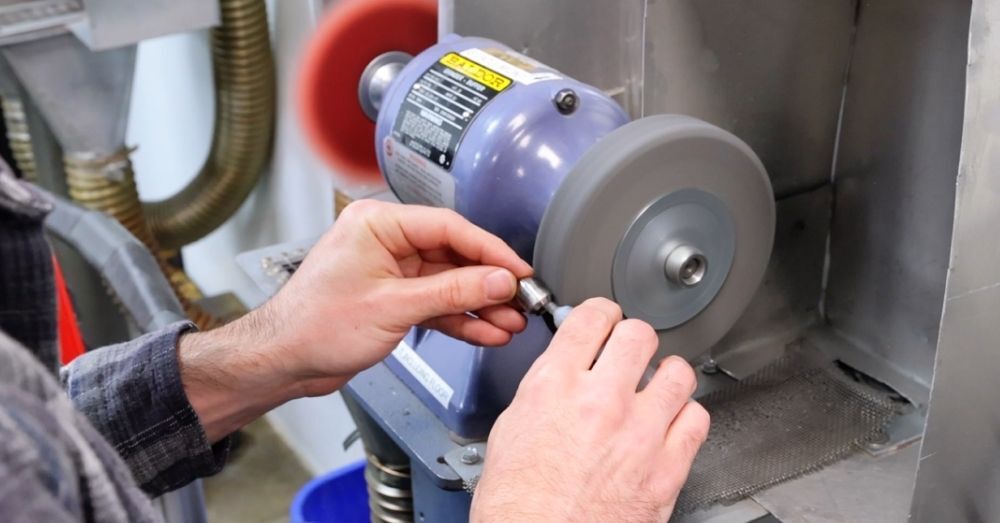
Surface finishing, particularly when it involves material removal, is a design consideration, not just a cosmetic...
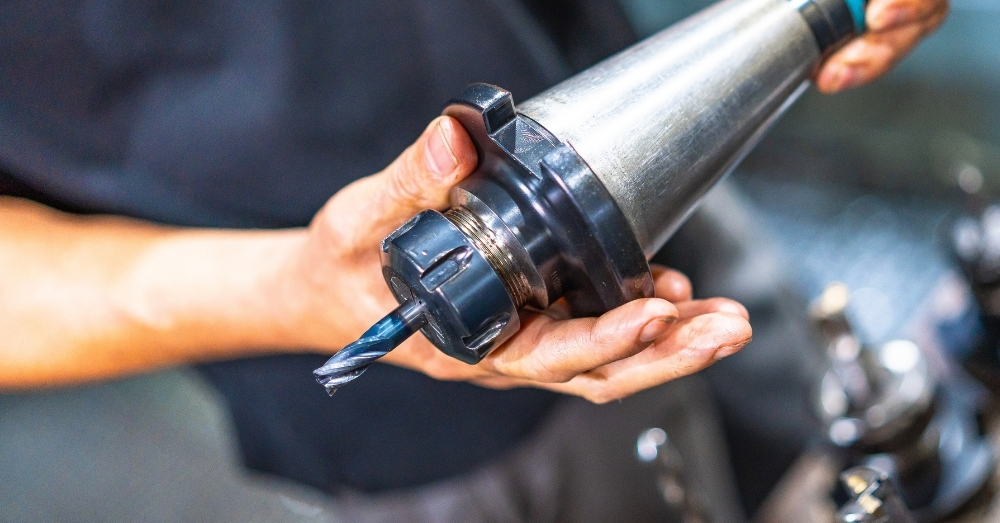
Flute count is the number of helical grooves (and cutting edges) on a drill or end mill, and it directly controls chip...
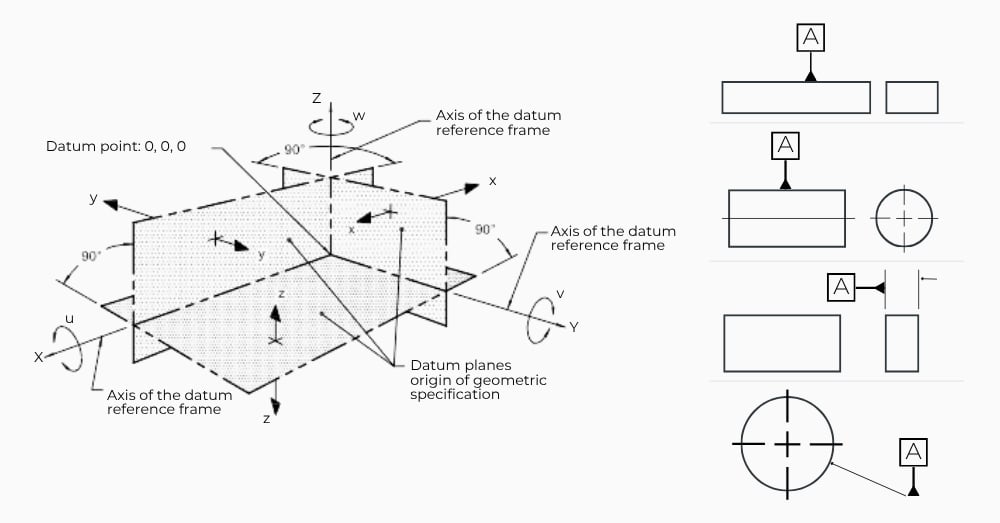
A datum reference frame (DRF) is the coordinate system your entire drawing is built on; it defines how the part is...
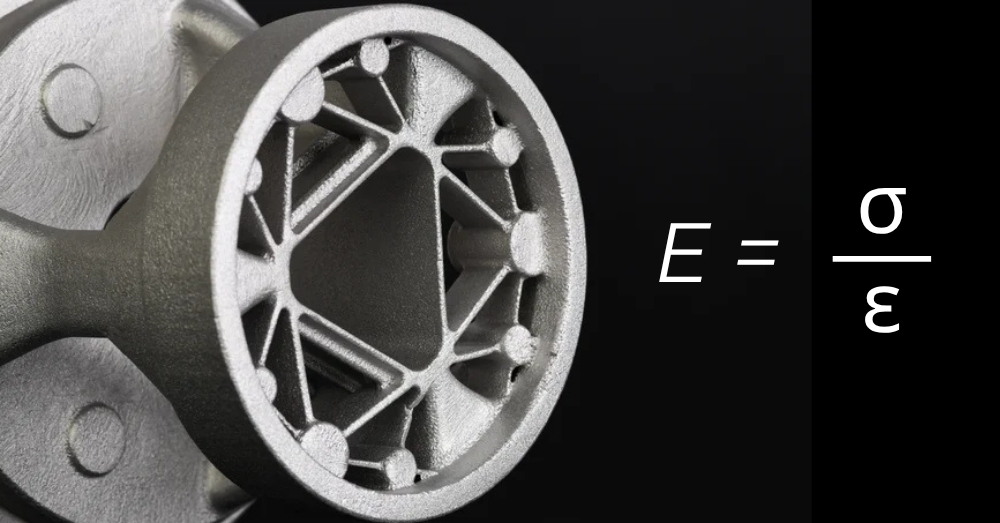
Young’s modulus, E, is one of the first material properties mechanical engineers learn—and one of the most frequently...
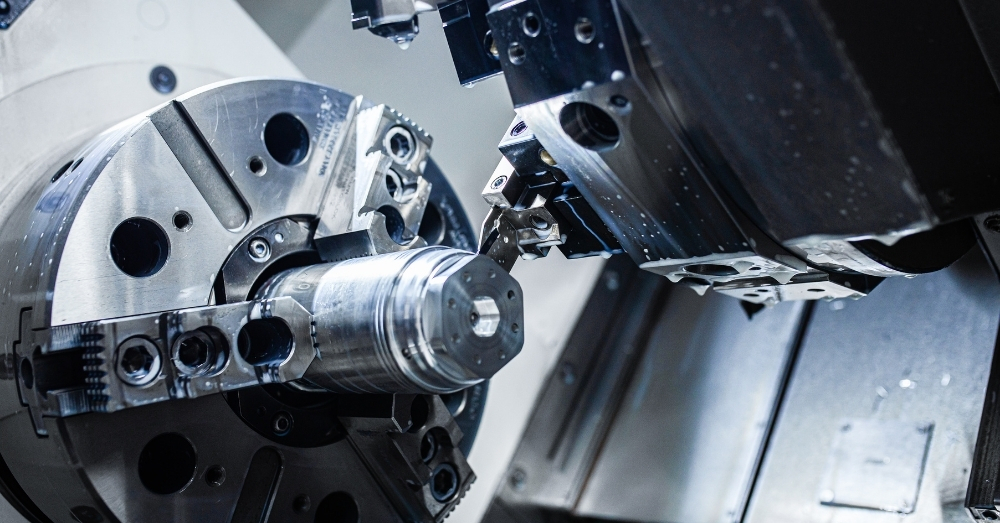
As mechanical engineers are asked to deliver more functionality in less time, CNC machining strategies have evolved to...

Surface finishing is a design variable that directly affects part performance, dimensional compliance, fatigue...

When machined parts miss tolerance, show inconsistent surface finishes, or require excessive deburring, the issue is...
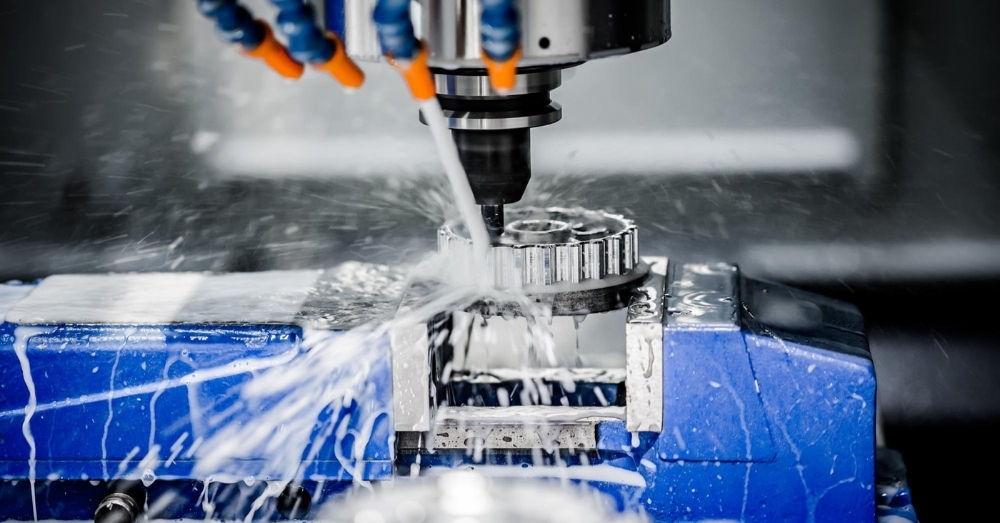
Fixturing sits at the intersection of geometry, tolerancing, and machining physics. Engineers often focus on functional...